Sport-ish Podcast
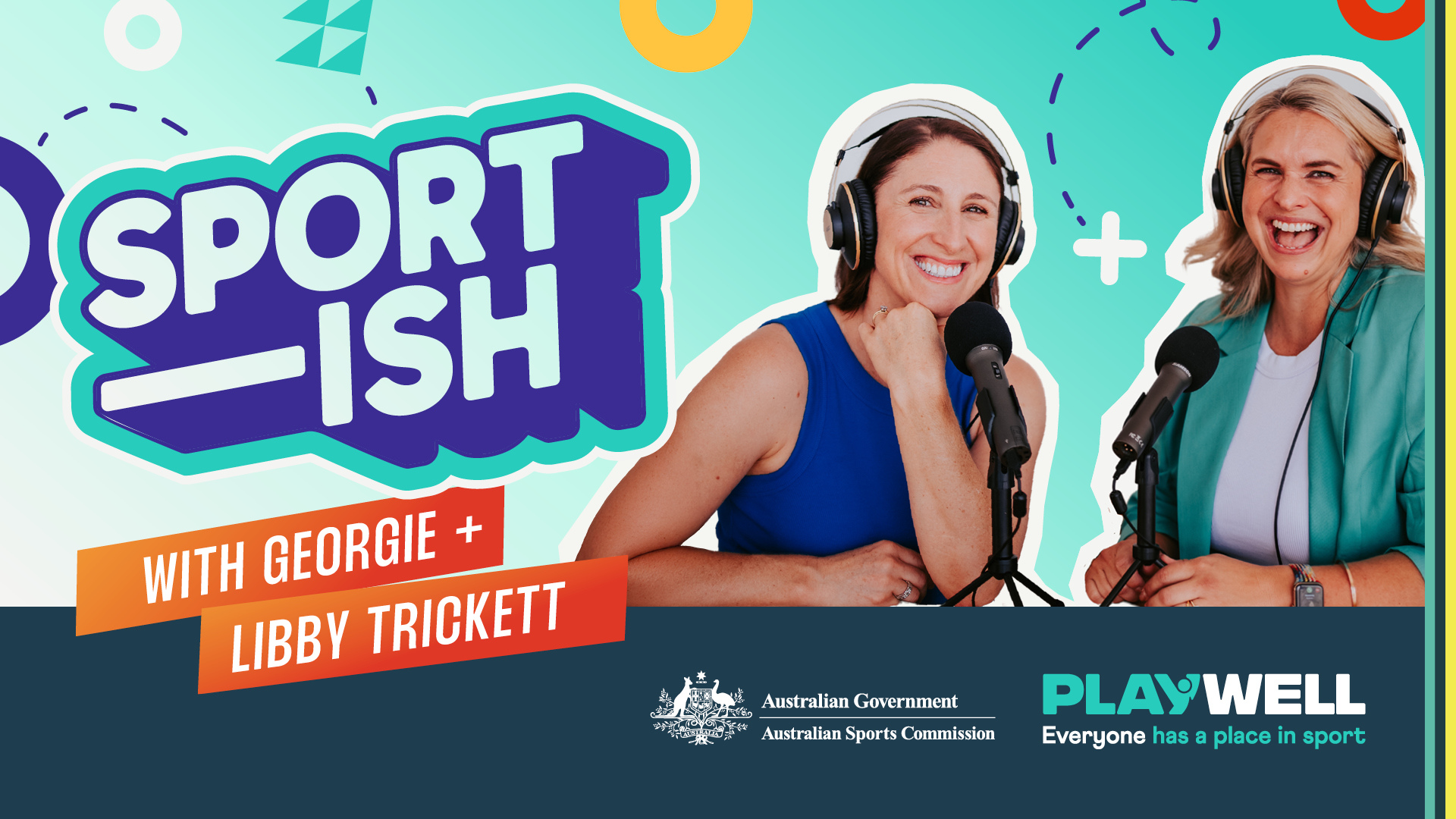
The Australian Sports Commission has teamed up with Georgie and Libby Trickett on Sportish to bring Play Well to life.
Play Well is Australia's sport participation strategy, focused on fun, inclusion and belonging - because everyone has a place in sport.
Sport is part of our social fabric, yet too many people feel locked out. Sportish was created to bring together human-centered curiosity and playful banter to explore the real sports topics that impact you in your everyday life, so that more kids and adults can feel inspired to play and stay in the game.
To hear more conversation around sport, visit Sportish .
Episode 1 - Ash Barty
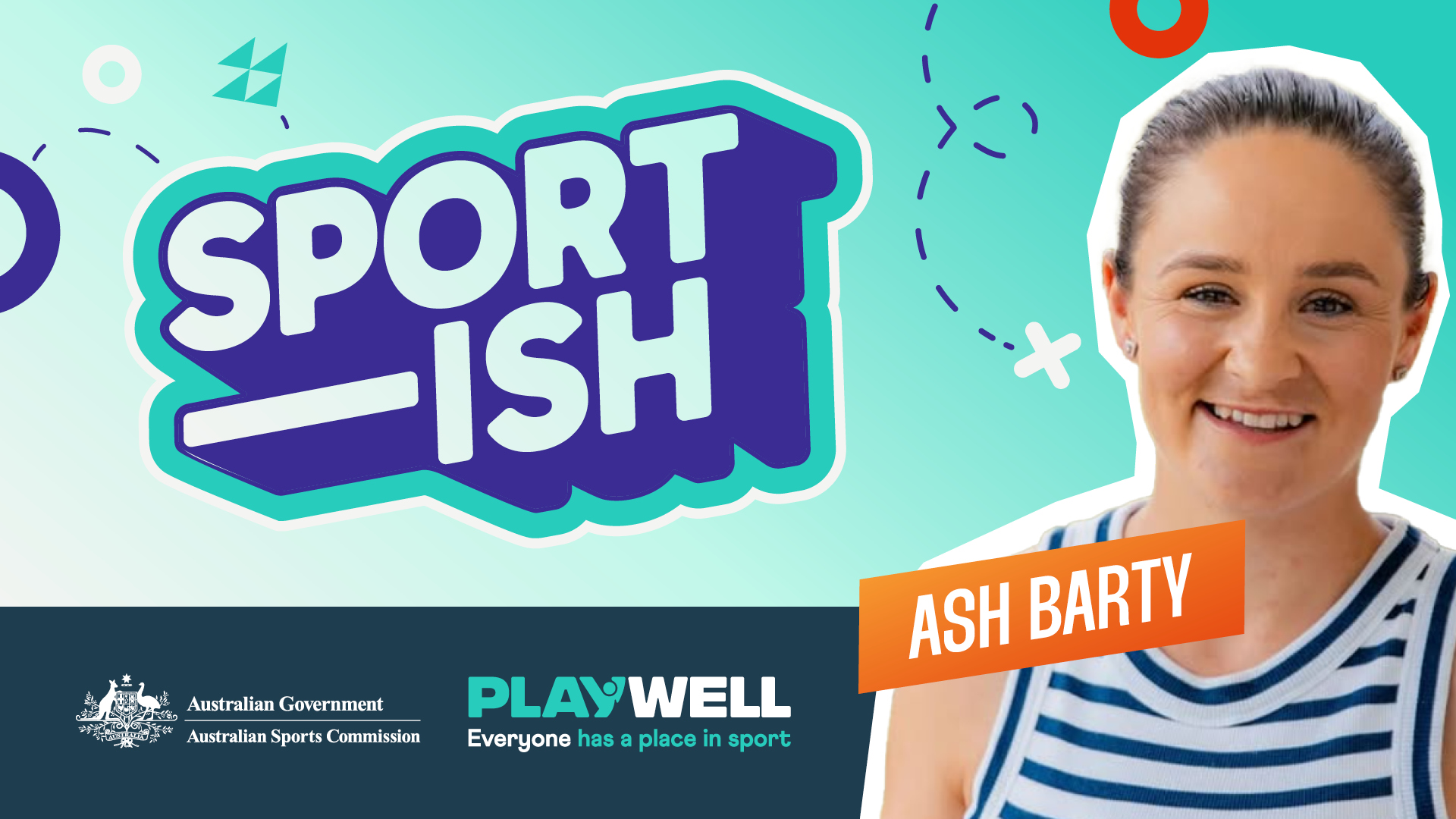
Imagine walking out in front of 15,000 people, taking a deep breath, smiling and thinking: “How cool is this?” That was Ash Barty on centre
court… and she still chose to leave while at the top of her game.
Ash shares her insights into what really sits behind those trophies: the brutal Wimbledon loss that sent her back to the drawing board, the conversation
with her coach that flipped her mindset, and the “why not me?” question she now shares with kids. Listen to her podcast
HERE
.
Episode 2 - Hugh van Cuylenburg
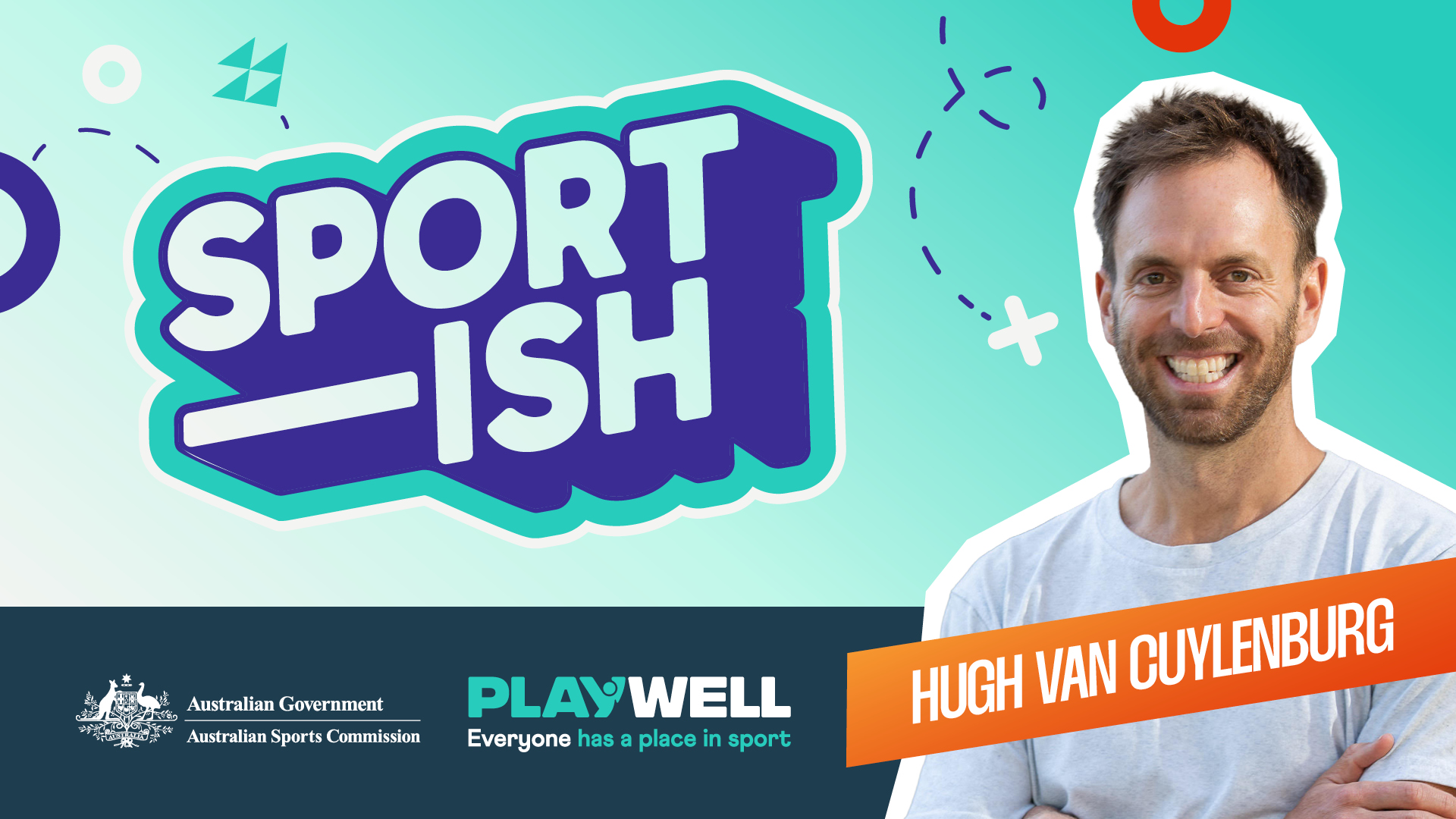
As a kid growing up in the suburbs of Melbourne, sport was the soundtrack for Hugh van Cuylenburg’s childhood. That deep, visceral connection to sport looks different since Hugh founded The Resilience Project, but the lessons of sport continue to inform every aspect of his life.
“I experienced shocking burnout. I wouldn’t have got through it all without track. There’s no way. I feel like [sport is] almost petrol. I
feel when my tank is empty. I go the track and I fill up and go; I’m good now,” he says. Listen to his podcast
HERE
.
Episode 3 - Ellie Cole
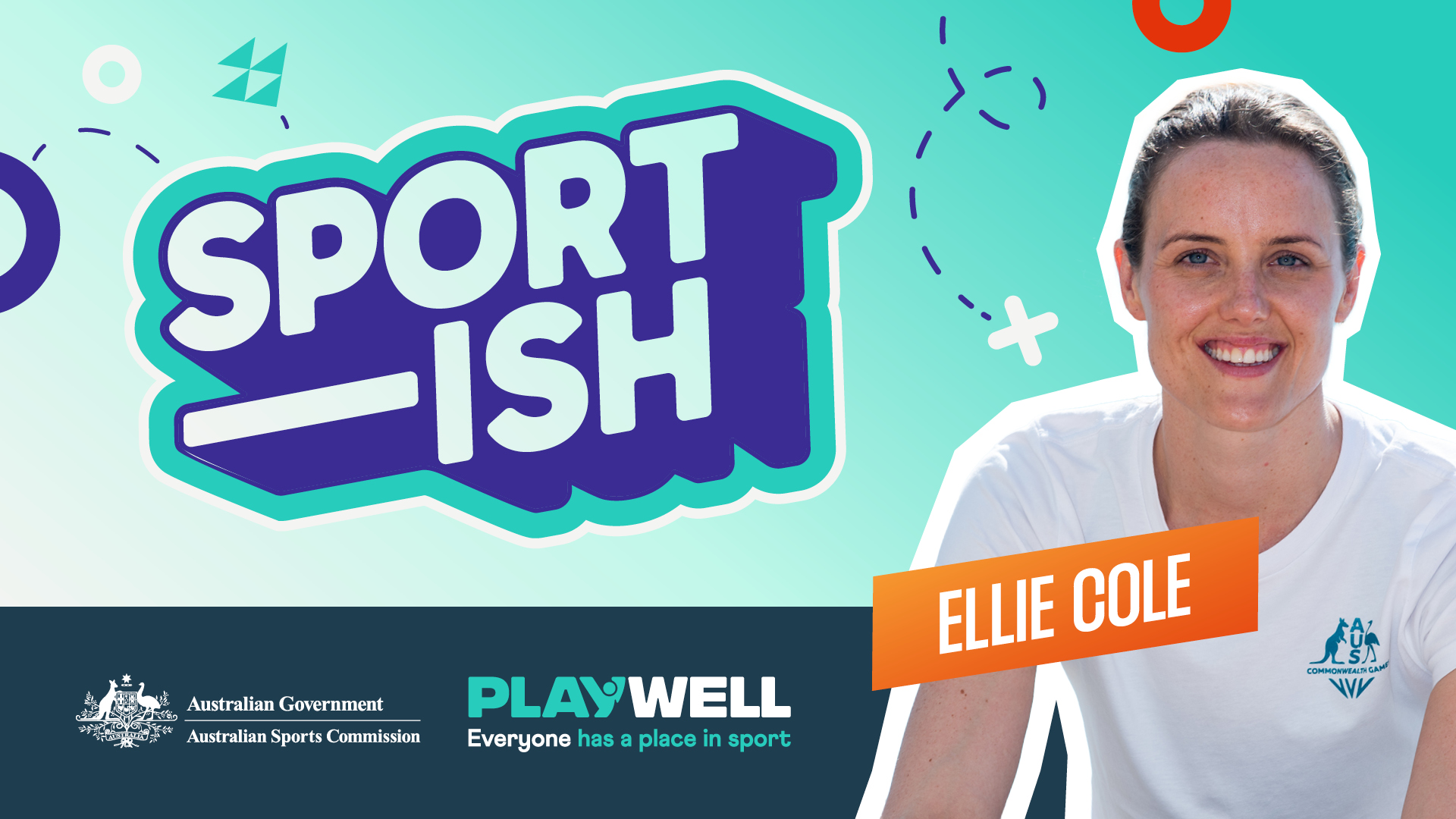
Swimmer Ellie Cole has spent most of her life adapting. Losing her leg aged three meant learning how to move differently, think differently, and push
through moments most kids never face. That early resilience didn’t just make her a Paralympian - it shaped how she sees sport and who gets to take
part in it.
Ellie’s clear about one thing: inclusive sporting spaces aren’t just for athletes with disabilities. When kids grow up training beside people
with different bodies and different life experiences, they learn how to work with others, how to communicate, and how to build real community. Listen to her
podcast
HERE
.
Episode 4 - Ben Crowe
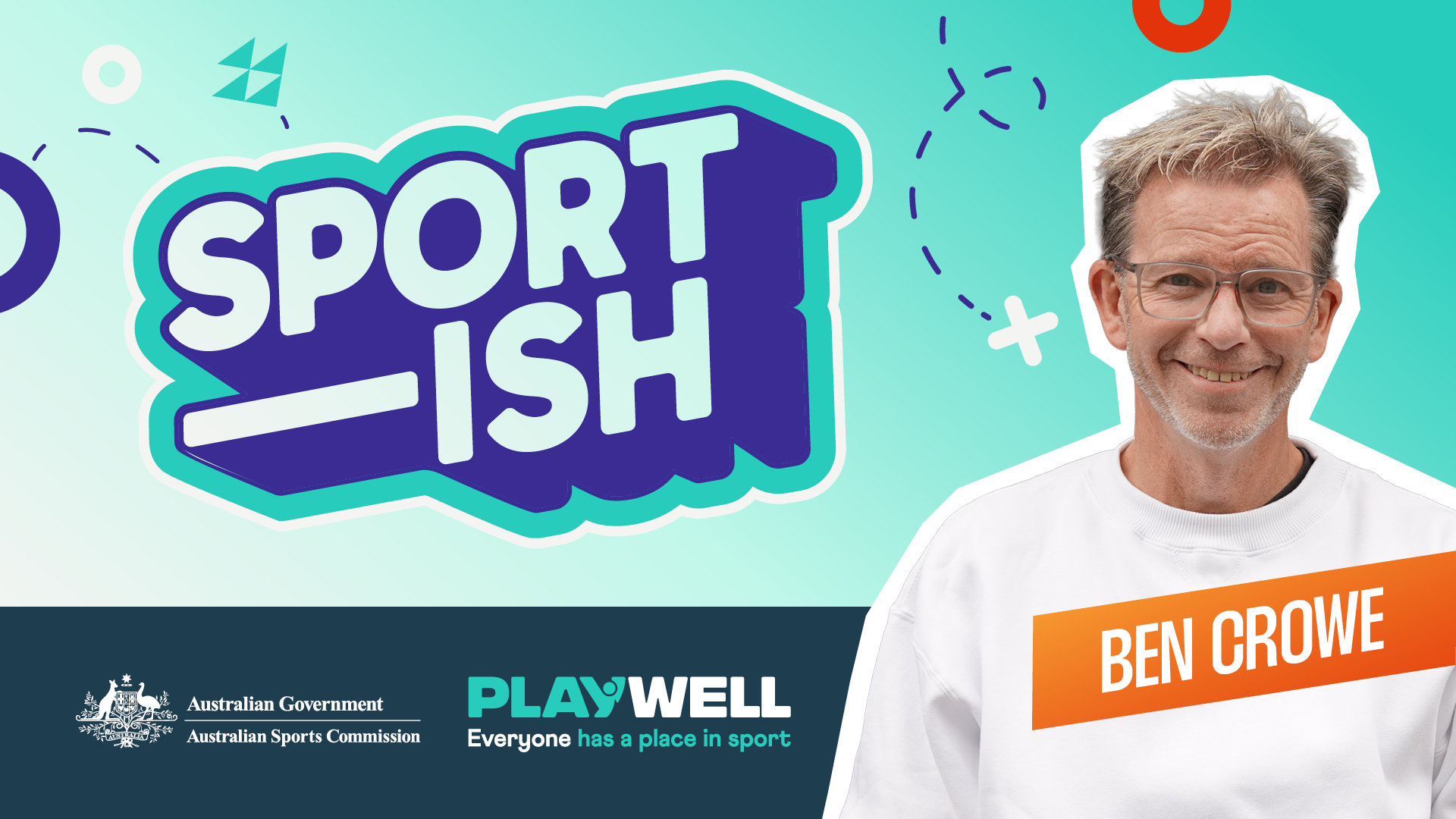
Before sport was graded, scored and analysed... what did you love to play? Not just do, but actually, play?
That feeling of joy, curiosity and being completely immersed in something is known as the 'play state'. Mindset coach Ben Crowe says most of us leave it
behind far too early. As sport becomes organised, measured, and outcome-driven, we change from playing for love to playing for approval. Listen to his
podcast
HERE
.
Episode 5
-
Rana Hussain
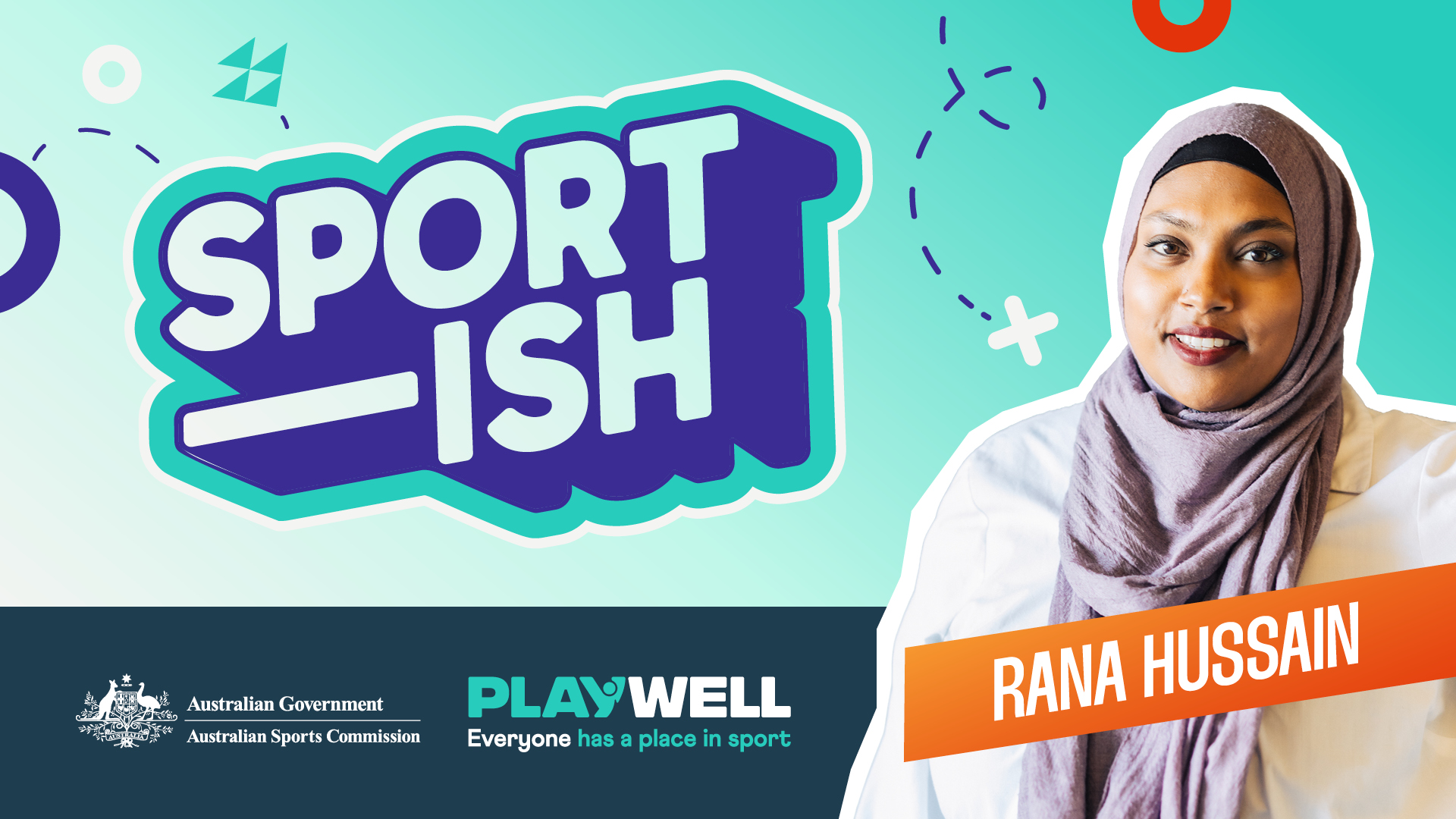
Boxing Day can mean different things to different people – shopping the sales or eating endless Christmas leftovers. For many, the
Boxing Day test is central to the day: family crowded around the TV, arguing over runs, soaking up the game.
For Rana Hussain, cricket gave that same sense of belonging. But in fact organised sport wasn’t really set-up for her. From
unapproachable uniforms to clubhouse diets and cultural expectations, she felt locked out of sport.
Today, Rana’s changing that. As founder of Good Human, she’s helped sporting organisations like Cricket Australia and various
football clubs build spaces that are inclusive, welcoming, and community focused.
Episode 6
-
Kieren Perkins
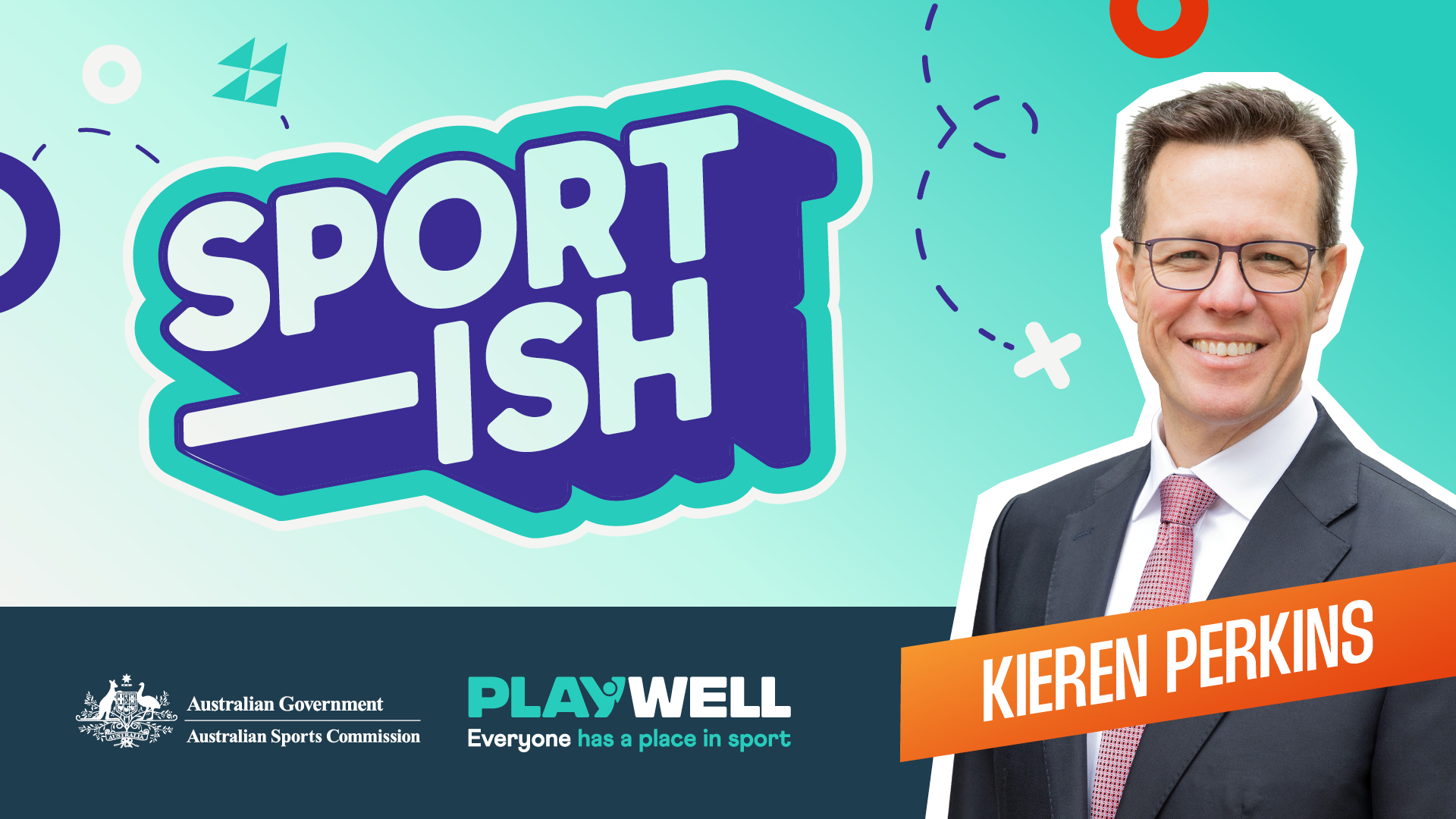
Kieren Perkins is an Olympian with some serious sports cred (Atlanta 96, 1500m, ICONIC).
As the boss of the Australian Sports Commission, he has some important things to say, most of which don’t refer to medals.
Because for him, if we take care of sports participation (and particularly kids sport participation), not only will the medals come,
but we’ll create a nation that has a relationship with sport that goes beyond just watching from the couch. A relationship that involves
community, resilience, health and fun.